The Challenge
The diagnostic network had multiple branches, collection centers, and a central processing lab. Manual handoffs made it difficult to monitor sample status and report delays.
The Outcome
With centralized tracking and automated report workflows, the team improved visibility, reduced follow-up calls, and delivered reports with more consistency.
What Changed in the Workflow
- Collection centers registered samples with barcode-based tracking.
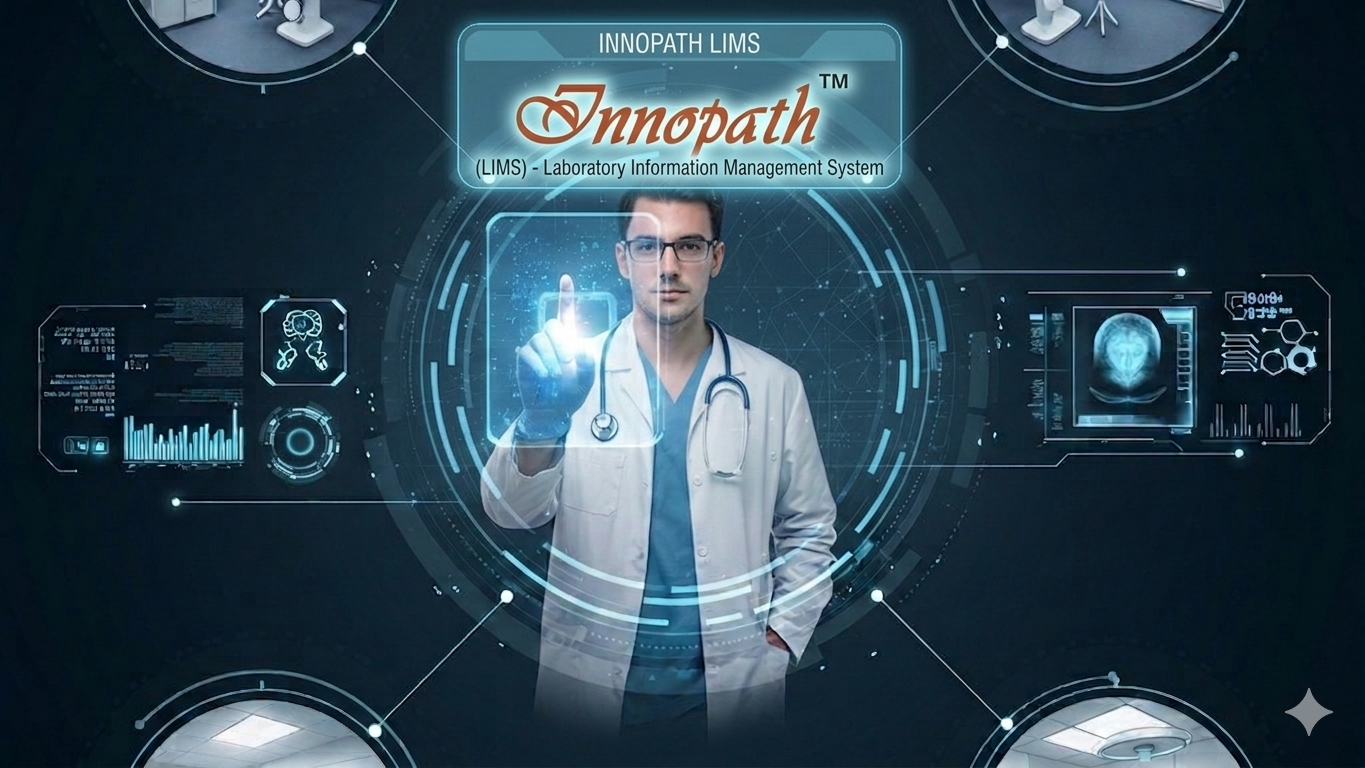
- The central lab could see pending, received, processed, and approved samples in one view.
- Analyzer results were mapped to the right test records with fewer manual entries.
- Report approval queues helped pathologists focus on verification instead of searching for pending work.
Operational Impact
The biggest improvement was accountability. Branch teams no longer needed to call repeatedly for sample status, and central lab supervisors could identify bottlenecks before the end of the day.
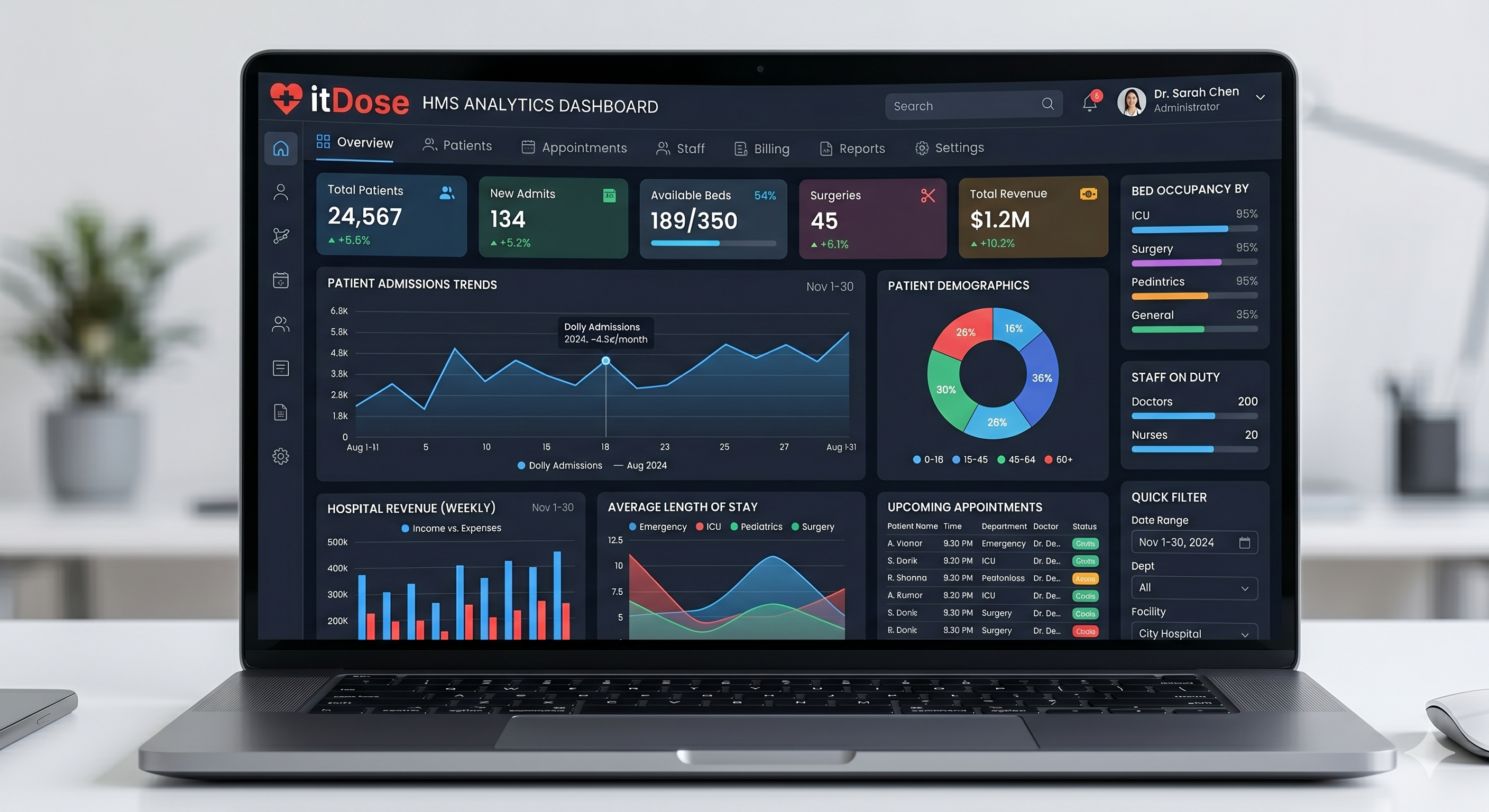
Patients benefited through faster report availability and clearer communication. Management benefited through better branch-wise reporting, workload visibility, and fewer manual reconciliation tasks.
Key Learning
For diagnostic networks, technology works best when it connects the full sample journey. Registration, logistics, processing, approval, and delivery should not be treated as separate islands.