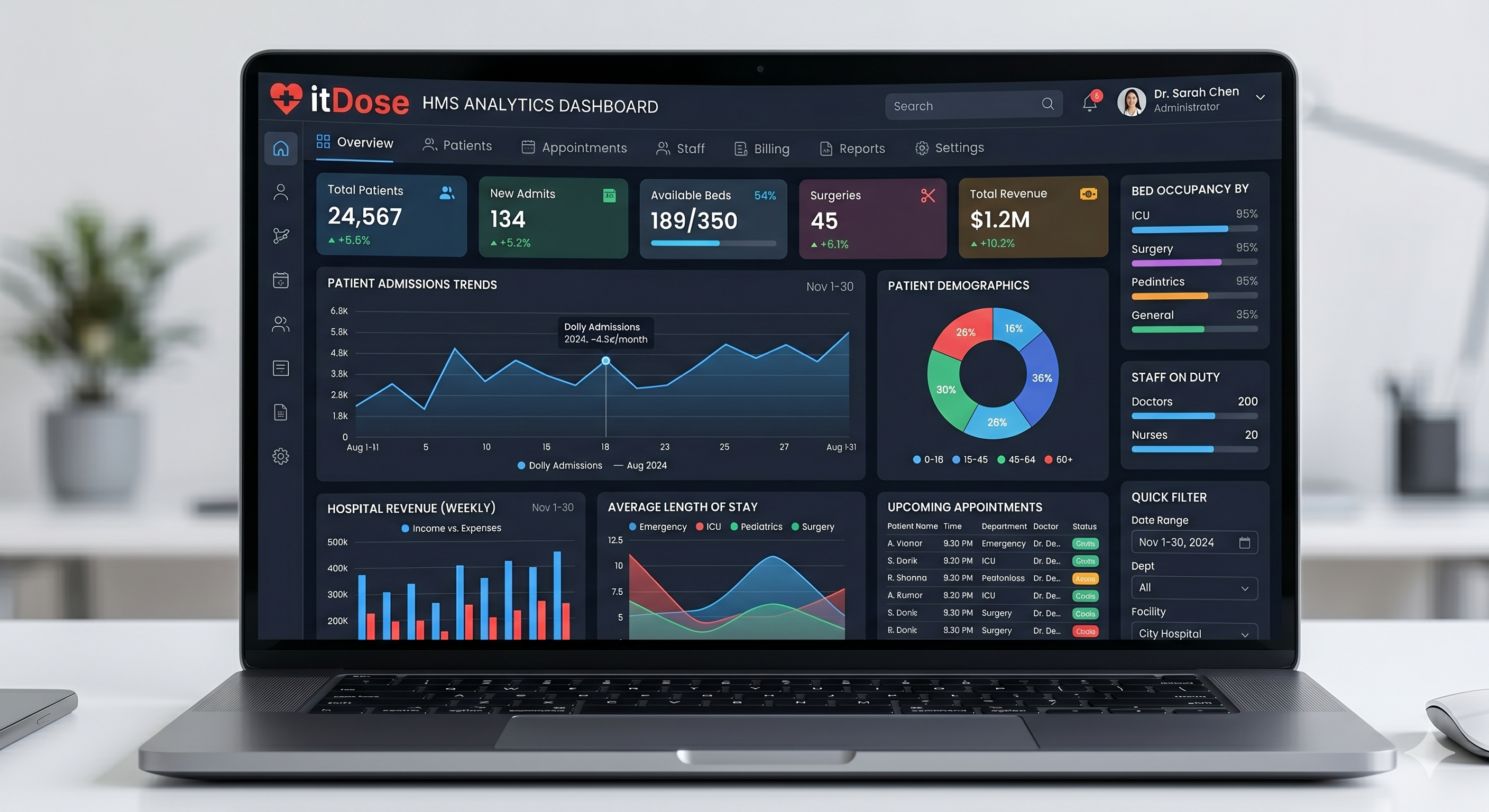
Why Digital Adoption Is Accelerating
Indian healthcare providers are handling higher patient volumes, more documentation, and increasing expectations around transparency. Digital clinical management systems help clinics keep up without expanding manual workload.
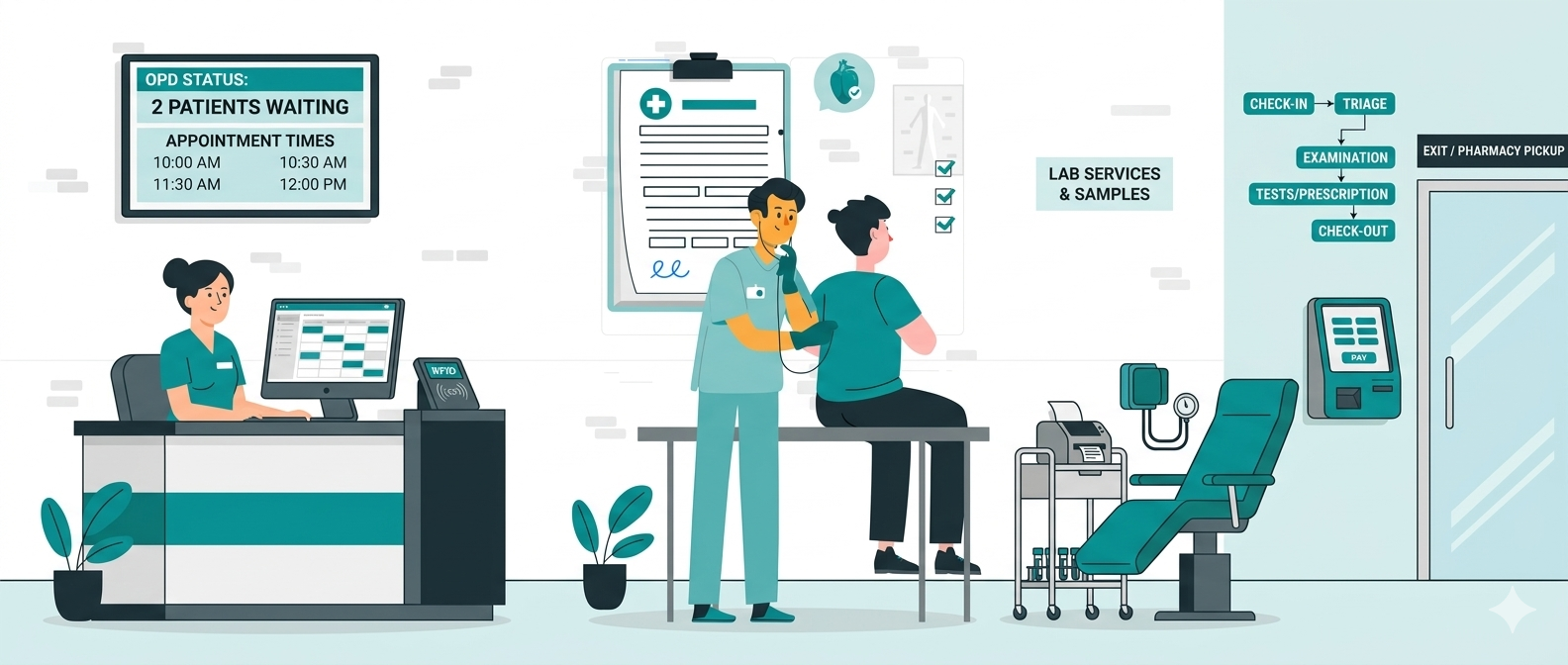
What Clinics Usually Improve First
The first improvement is usually visibility. Clinic owners can see daily appointments, completed visits, collections, pending balances, and repeat patients without waiting for end-of-day manual summaries.
- Patient registration and appointment queues become easier to manage.
- Billing and payment tracking become more accurate.
- Doctors get faster access to visit history and prescriptions.
- Staff can reduce repeated calls, handwritten notes, and duplicate entry.
- Management can compare performance across doctors, services, and time periods.
Digital Records Build Trust
Patients increasingly expect clinics to remember their history and share information clearly. Digital records help clinics provide printed or digital prescriptions, maintain investigation references, and improve follow-up care.
For doctors, this means better context during every visit. They can review the previous complaint, medicines, diagnosis, and advice before updating the treatment plan.
Making the Transition Smooth
Clinics should start with a simple rollout. Train staff on registration, appointment, consultation, and billing first. Once the core flow is comfortable, add templates, packages, analytics, and patient communication. This keeps adoption practical and avoids overwhelming the team.